
Breaking the Rules of Linear Regulators: High Efficiency Buck and Boost Conversion Without Switching
Introduction
DC voltage regulators are indispensable components in practically all modern electronics. Their job is to transform inputs from DC power sources into precise, stable and specific DC voltages that are required by system components. The input may be from an unregulated DC source, such as a battery; or a mismatched voltage source, such as an upstream AC/DC or DC/DC converter. The importance of their role in electronic systems is difficult to overstate – an enormous range of basic to cutting-edge semiconductor chips depend on these devices for a stable and controlled source of DC power.
Building the next generation of systems that are smaller, lighter and higher performance than ever before places extraordinary demands on the specifications of voltage regulators: they are required to have minimal size, weight and component count; high conversion efficiency; low electromagnetic interference (EMI) attributes; and, for space applications, require resilience to harsh radiation and temperature environments. However, a significant capability gap exists for technologies that can simultaneously meet these requirements, resulting in multiple design trade-offs. Polaris Semiconductor’s unique technology aims to bridge this gap with our innovative photon-enhanced regulator technology.
LDOs
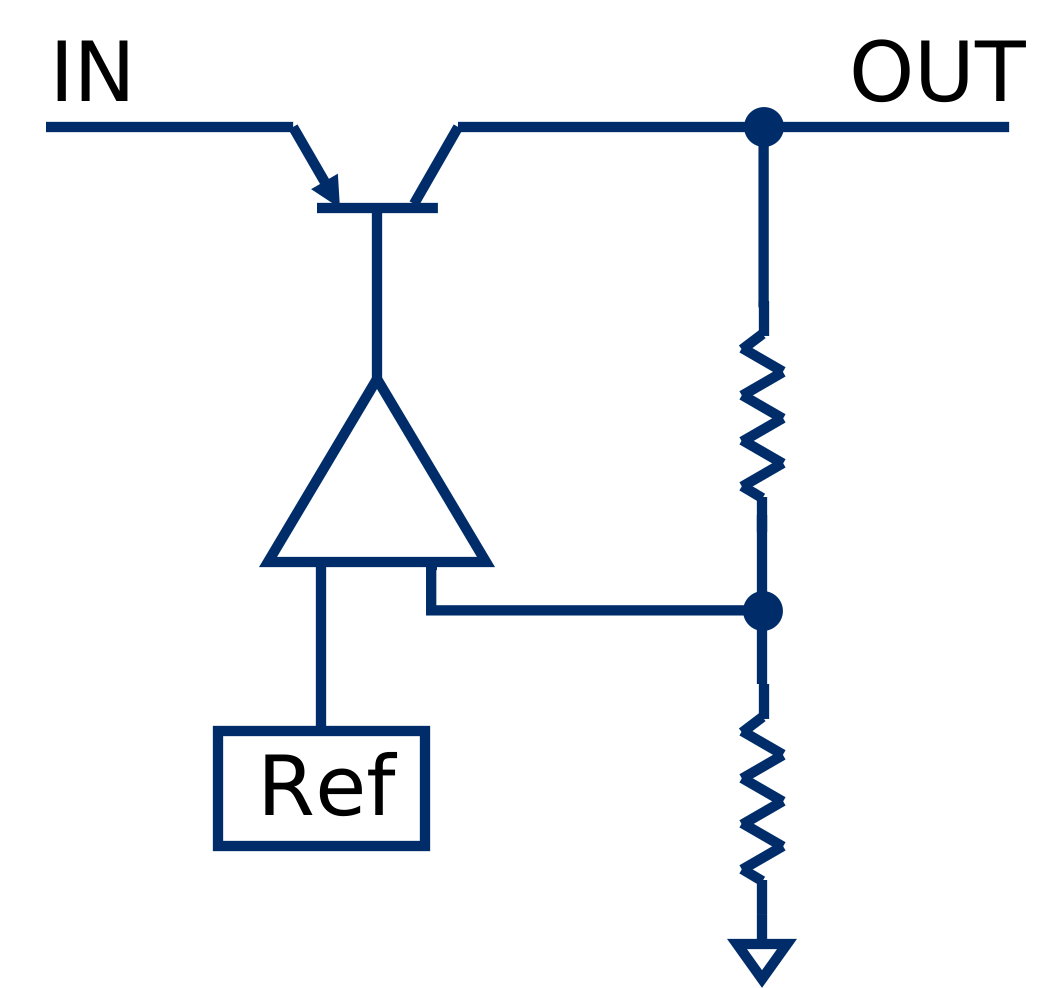
Low-dropout (LDO) linear voltage regulators are widely used power management components. Their simplicity, low component count and very low-noise output makes them well suited to space-constrained applications that have sensitivity to conducted and/or radiated EMI, such as precision ADCs, VCOs, PLLs, imaging sensors and many more. LDOs deliver a regulated output voltage via a controlled voltage drop across a pass transistor placed in series with the input and output terminals. The magnitude of the voltage drop is governed by an error amplifier tied to a fixed voltage reference (Figure 1). However, this simplicity comes at a price: the resistive voltage regulation topology means that only buck conversion is possible and, since the power dissipated is wasted as heat, the maximum theoretical efficiency of the device is limited to . Therefore, a large difference between and results in low efficiency, causing excessive heat generation and high power consumption. This often limits the use of these devices to scenarios where is only slightly above the minimum required by the device (known as the dropout voltage) or to low power applications.
Switching Devices
The incumbent alternative to a linear regulator is a switching device. Switched capacitors are compact and efficient but generally have low output currents, whereas switching regulators employ an inductor and offer high efficiency buck and boost conversion for a wide range of operating currents. However, in both cases, high efficiency is accompanied by a significant drawback: RF-switching introduces a source of conducted and radiated EMI into the system. In systems requiring low-ripple DC power, the regulator output needs to be filtered. This requires additional components and board space. Careful PCB design is also required to avoid unwanted interference being radiated to nearby components. Radiated emissions elevate the risk of not meeting strict EMC criteria that can lead to costly redesigns and, in highly sensitive applications such as RF devices, imaging, and precision sensing circuits, can introduce noise artifacts that degrade system fidelity.
A common technique in noise sensitive circuits is to use an LDO as a post-regulator connected to the switching output. LDOs suppress ripple by an amount known as the power supply ripple rejection (PSRR) ratio, which can exceed 100 dB in the lowest-noise parts. However, this approach results in a significant footprint, BoM and cost increase, decreases efficiency, and issues due to EM emissions from the switching regulator can still persist. Combined with the fact that switching regulators themselves often require multiple bulky passives such as inductors, capacitors and filtering components, designers regularly must trade off footprint, volume, cost and efficiency to meet demanding noise specifications.
A New Approach
Polaris Semiconductor addresses the limitations of conventional voltage regulators through our enhanced linear regulator (ELR) architecture. This approach combines the inherent advantages of linear regulators – simplicity, minimal component count, and intrinsically low noise – with the efficient voltage conversion capabilities typically associated with switching regulators. The architecture far exceeds linear regulator theoretical efficiency limits while avoiding the noise generation drawbacks present in switching designs. By delivering both step-down and boost capabilities, ELRs provide a versatile solution for power management in noise-sensitive systems. For space applications, our radiation-tolerant variants maintain these performance advantages in high-radiation environments.
Fundamental Principles
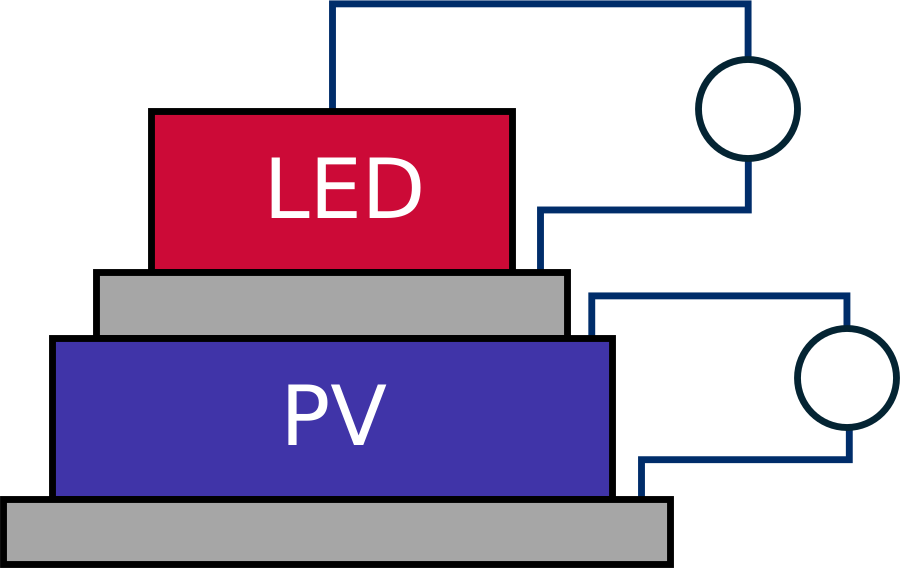
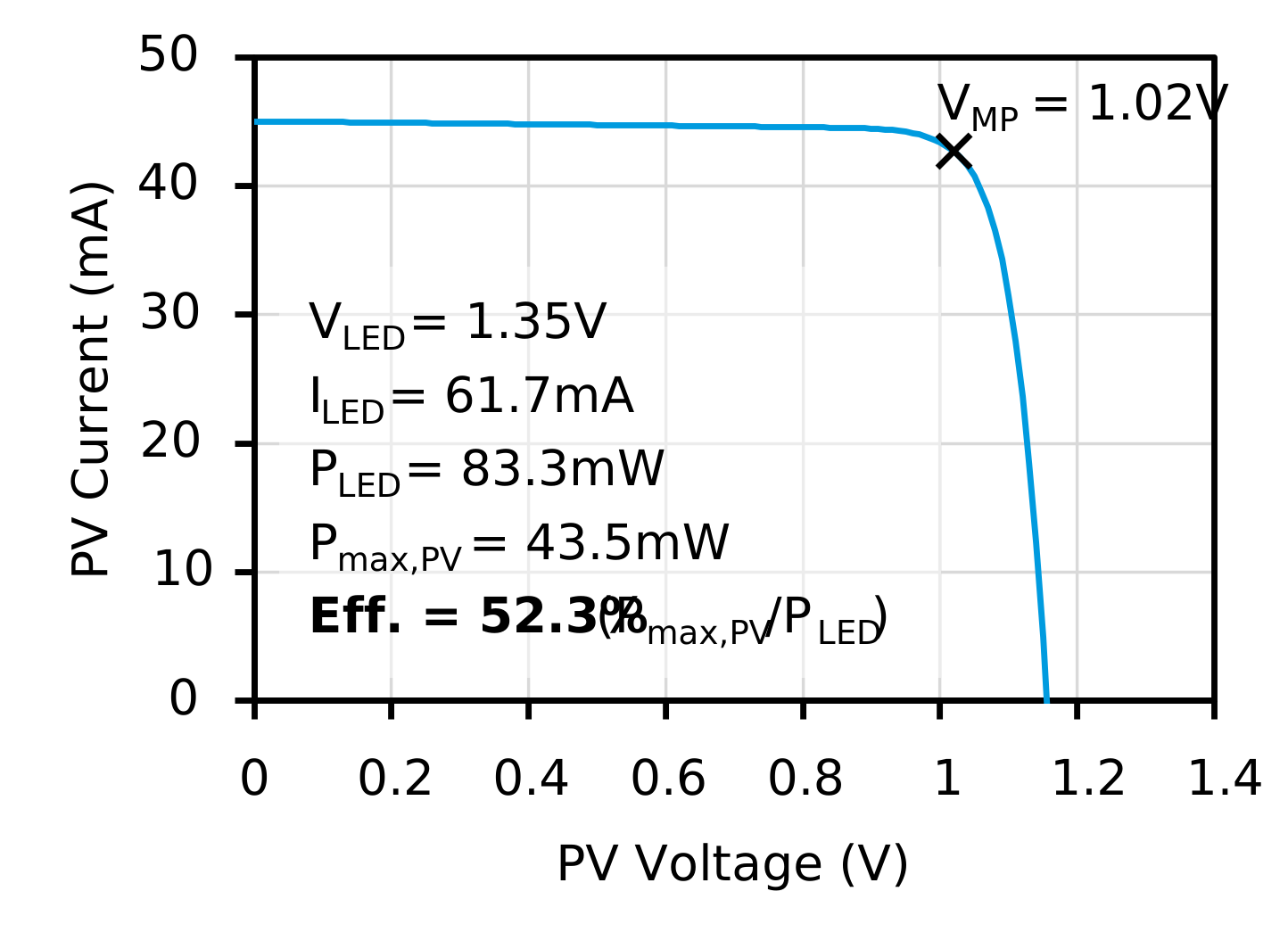
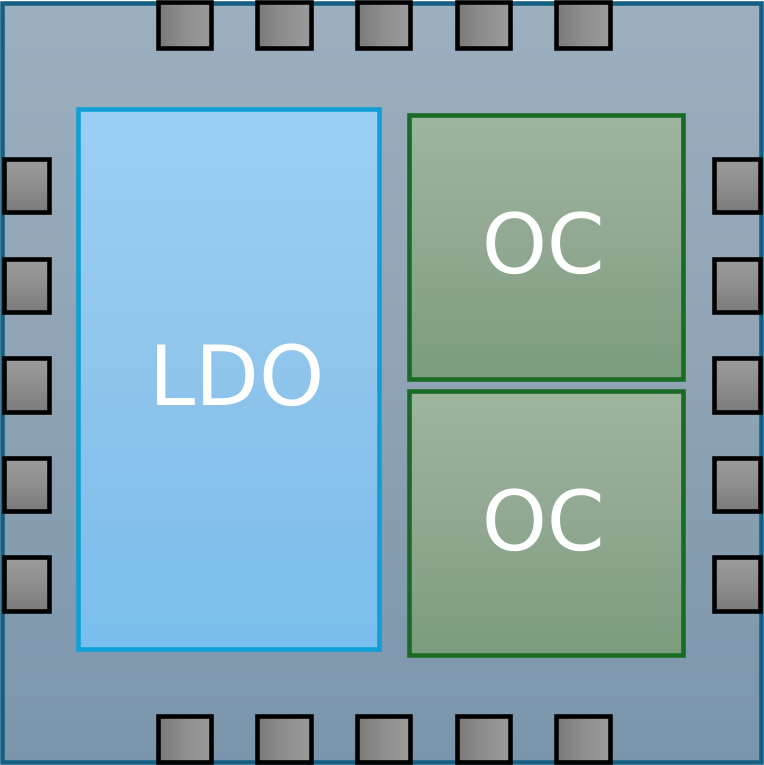
Our patented device architecture comprises a conventional, Si-based LDO, co-packaged with Polaris Semiconductor’s unique, high-performance, GaAs-based photovoltaic-output optocouplers in a multi-chip module. The role of the optocouplers is to convert power normally wasted in conventional linear regulators to useful output power – achieved by transferring optical power from the LED section to the photovoltaic devices with high efficiency. Our optocouplers have unprecedented efficiencies exceeding 52% (defined as power out of the photovoltaic versus power into the LED). A typical optocoupler IV characteristic is shown in Figure 2. This high efficiency is made possible by our innovative monolithic device architecture which combines advanced photon management techniques with an extremely high internal quantum efficiency design to transfer power as efficiently as possible.
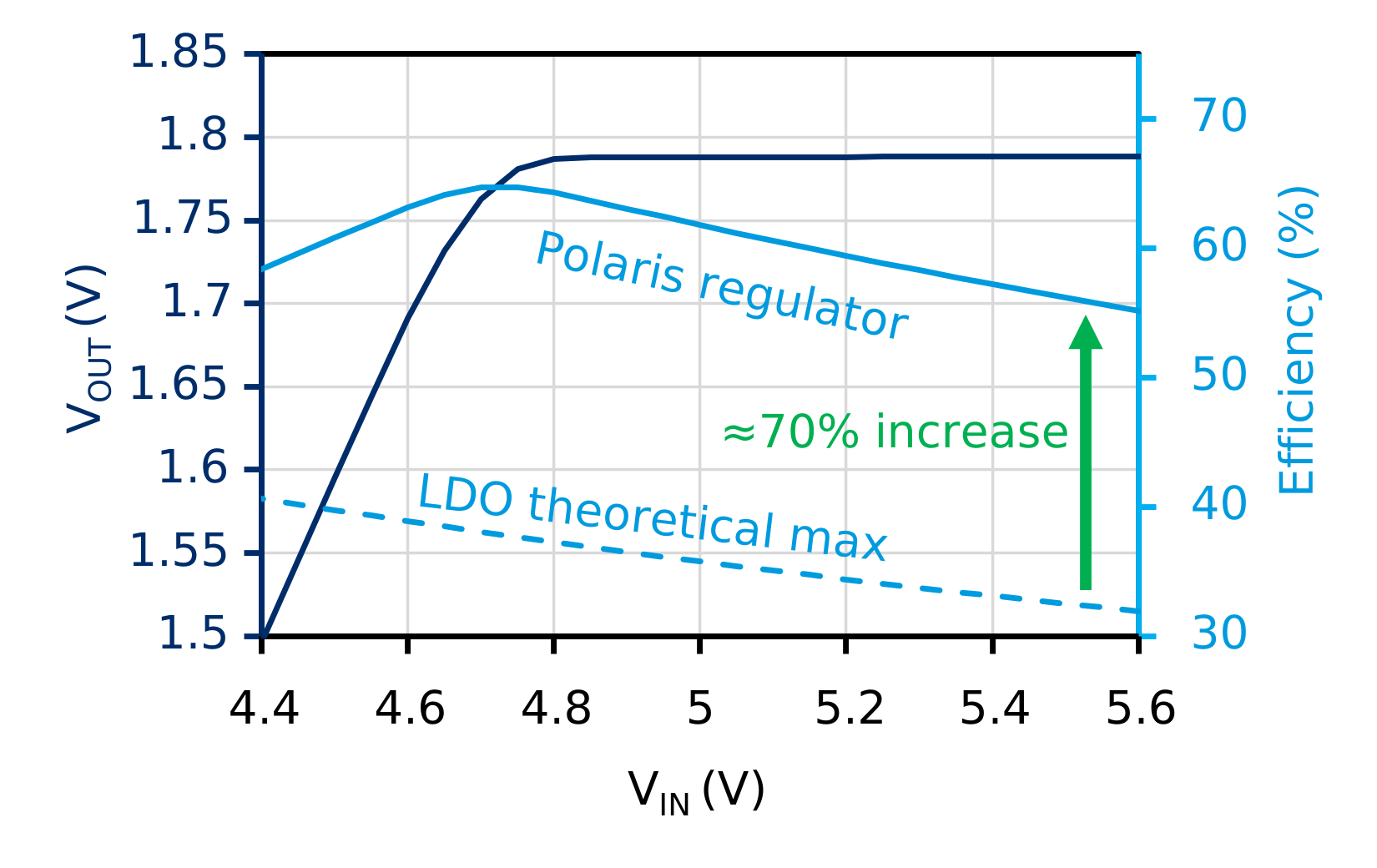
When integrated into our novel circuit, the optocouplers unlock maximum voltage regulator efficiencies typically between 60–85%, depending on the voltage step, with much higher efficiency than conventional LDOs over large voltage steps (Figure 3). Moreover, our high efficiency optocouplers also allow the possibility of efficient boost regulators without switching. This exploits the ability of PV-output optocoupler devices to transform voltage, resulting in purely linear boost conversion, free from the ripple issues present in conventional boost regulators.
Buck Conversion
The basic operating principle of an ELR buck-converter is shown in Figure 4. In this example, an LDO is co-packaged with two optocoupler devices. The LED section of the internal optocoupler array is connected in series with the LDO pass transistor and therefore a portion of the voltage normally dropped in the pass transistor of the LDO is dropped in the LEDs. The current injected into the LEDs generates photons that are captured and converted back into electrical current by the PV region. The connection of the PV array to the output terminal then allows a large fraction of the power consumed by the LED, which would usually be wasted in the pass transistor, to be supplied as useful power at the output.
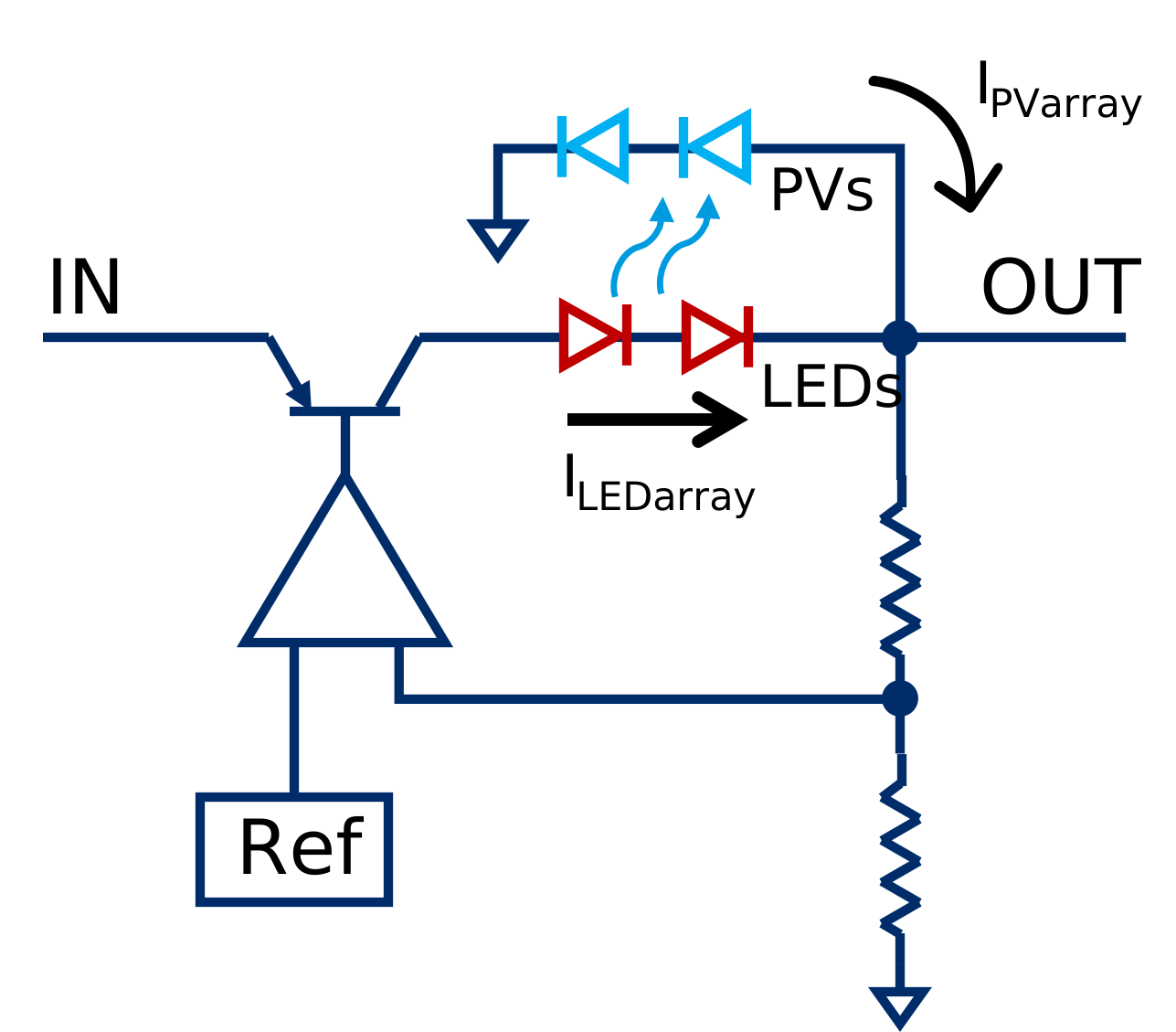
The input voltage () at which a regulated output is achieved (denoted the “turn-on voltage”, ) is the sum of the forward voltage drop across the LED array, the dropout voltage of the LDO, and the output voltage.
The turn-on voltage of the ELR is therefore greater than a conventional LDO, and depends on the series string length of LEDs in the LED array (although, as we will see later, all Polaris Semiconductor devices can also be configured to operate as conventional LDOs). also increases slightly with increasing load current due to the forward-bias behavior of the LED devices, combined with the increasing dropout voltage of the LDO. As with a conventional LDO, is the most efficient operating point of the device as the voltage dropped in the pass transistor is a minimum. The load connected to OUT is in parallel with the PV array, and therefore the output voltage is equal to the voltage across the PV array. The current supplied to the load is the sum of the current passing through the LED array and the current supplied by the PV array:
The currents flowing in the LED and PV arrays are coupled by the photons generated in the LED chips. The ratio of the current injected into a single LED junction () to the short-circuit current of a single coupled PV device () is known as the current transfer ratio, . In our optocoupler devices, the for a single LED/PV pair exceeds 72% for LED injection currents greater than 50 mA.
If the operating voltage of the PV devices is at or below the “knee” around the maximum power voltage ( – see Figure 2) then the net current flowing in a single PV element is . Assuming the LED elements are on the low-side of the pass transistor, the output current of the regulator can then be shown to be
Where is the number of LED elements in parallel in the LED array and is the number of PV elements in parallel in the PV array. By substitution we can show that the input current to the regulator is given by
where is the current consumed by the LDO’s internal circuitry. Equation 5 shows that the input current is lower than the output current, and this is the core principle behind how our devices exceed the theoretical efficiency limit for a linear regulator. Equation 5 also shows that has a central role in reducing the input current. Polaris Semiconductor’s unique optocoupler technology enables both extremely high quantum efficiency electron to photon generation in the LED element and photon to electron generation in the PV element, therefore providing major efficiency improvements over conventional linear regulators. Note, LEDs can also be connected on the high side of the pass element resulting in slightly modified equations, but overall very similar performance.
Configurability
All Polaris Semiconductor regulators have an adjustable output voltage, set either using a single resistor or resistor divider, depending on the device. However, the number of PV elements connected to the output terminal has important implications for the optimum device output voltage range. Each of the PV elements has a maximum power voltage that is close to 1 V. Therefore, an optocoupler array with, for example as shown in Figure 4, two PV elements in series connected to would have a most efficient operating point for close to 2 V. It follows that the technologically important logic levels of 1.8 V, 3.3 V and 5 V are suited to series-connected string lengths in the PV array of 2, 4 and 5 PV devices, respectively. Polaris Semiconductor regulators are available with these three configurations with part numbers of the form BKxxxx18x, BKxxxx33x, and BKxxxx50x. Additional combinations are also under development.
It is intended that the PV array configuration used in an application is chosen based on the optimum configuration for the nominal output voltage. Operating an ELR device at an output voltage much lower than the PV array maximum power voltage () will not extract the maximum advantage from the optocoupler effect. For example, a nominal voltage step of 5 V/1.8 V is more efficient using a “18” device with two PV elements in series ( V) than a “33” device with four ( V). Moreover, the maximum of an ELR is also constrained by the maximum power voltage of the PV array. For values beyond this we have exceeded the “knee” point of the PV IV curve where PV dark current becomes significant compared to the photocurrent. Successively increasing beyond this point will result in the regulator circuit driving the LED elements at higher currents to meet the desired output voltage until eventually the circuit is not able to sustain a regulated output voltage. Therefore, it is not possible to achieve an ELR device with an output of 3.3 V using a “18” device and a “33” device should be used instead.
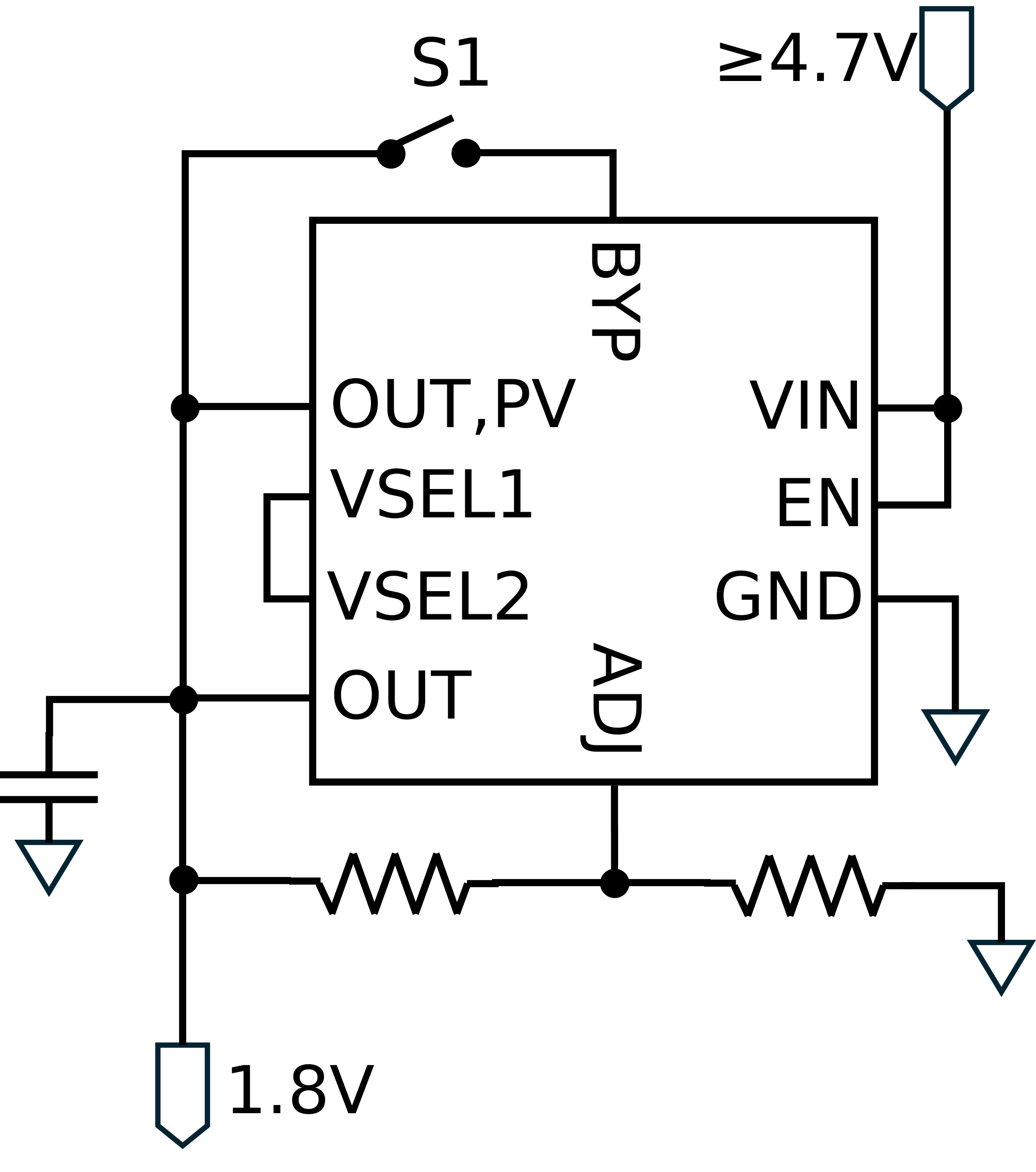
The LED array configuration governs the minimum input voltage of the regulator. Again, using the topology in Figure 4 as an example, we have a choice of either two LED elements in parallel or two in series; two in parallel will result in a lower and two in series will result in a higher . The choice is generally dictated by the nominal supply voltage of the application – for example, with set at 1.8 V, two LEDs in series will have of roughly 4.7 V, suitable for a 5 V to 1.8 V step down as might be found in, say, a USB-bus powered system. Alternatively, two in parallel will have of roughly 3.4 V, suitable for single Li-ion battery powered applications. A third possibility is to bypass the LED array entirely and operate the device as a conventional LDO. All Polaris Semiconductor ELRs have pin-out arrangements that allow bypassing of the optocoupler array and, in devices with part names ending in “V”, configurable LED string lengths also. One such example of a configurable device is BK291D18V. Figure 5 shows the device schematic with pin functions and core device features.
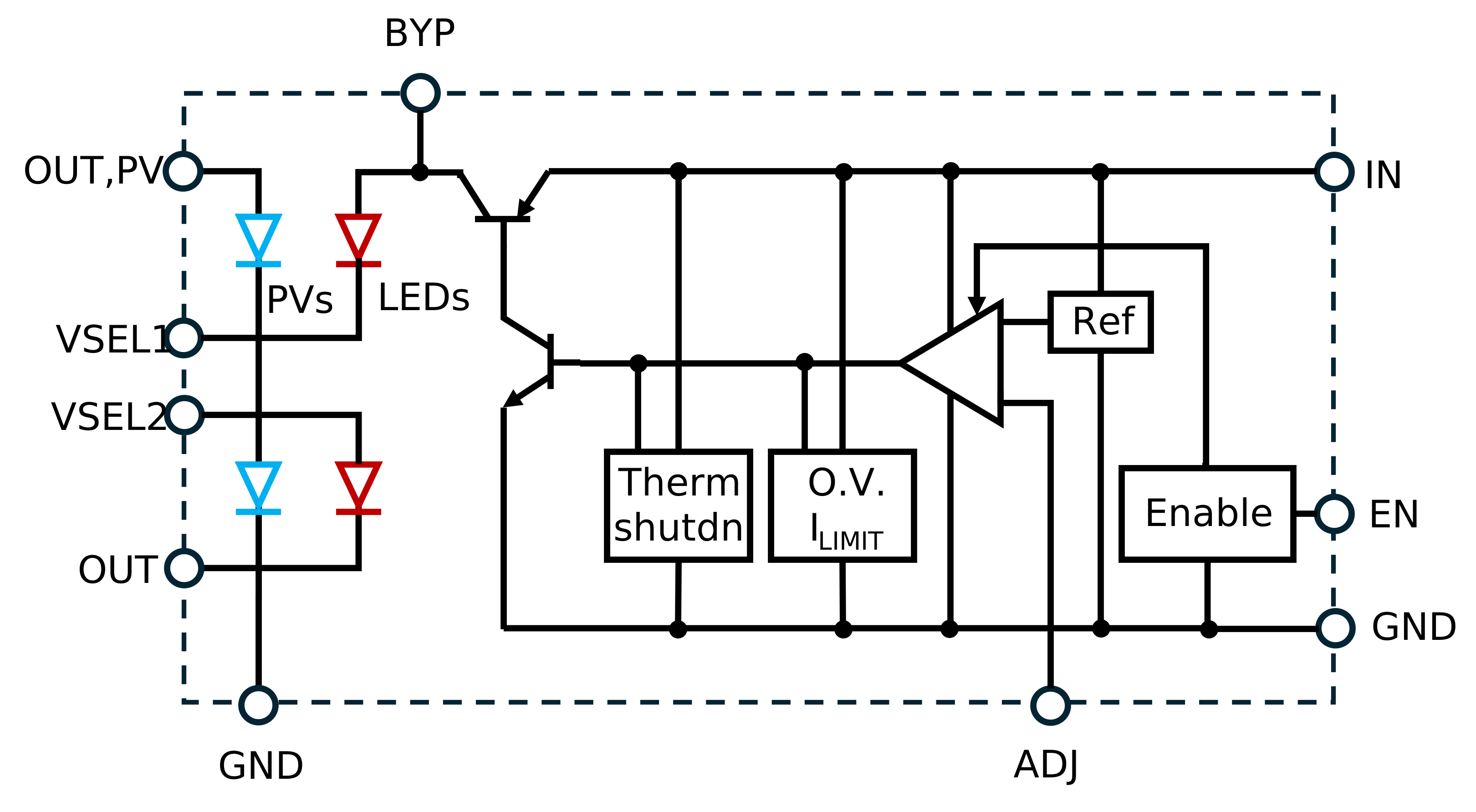
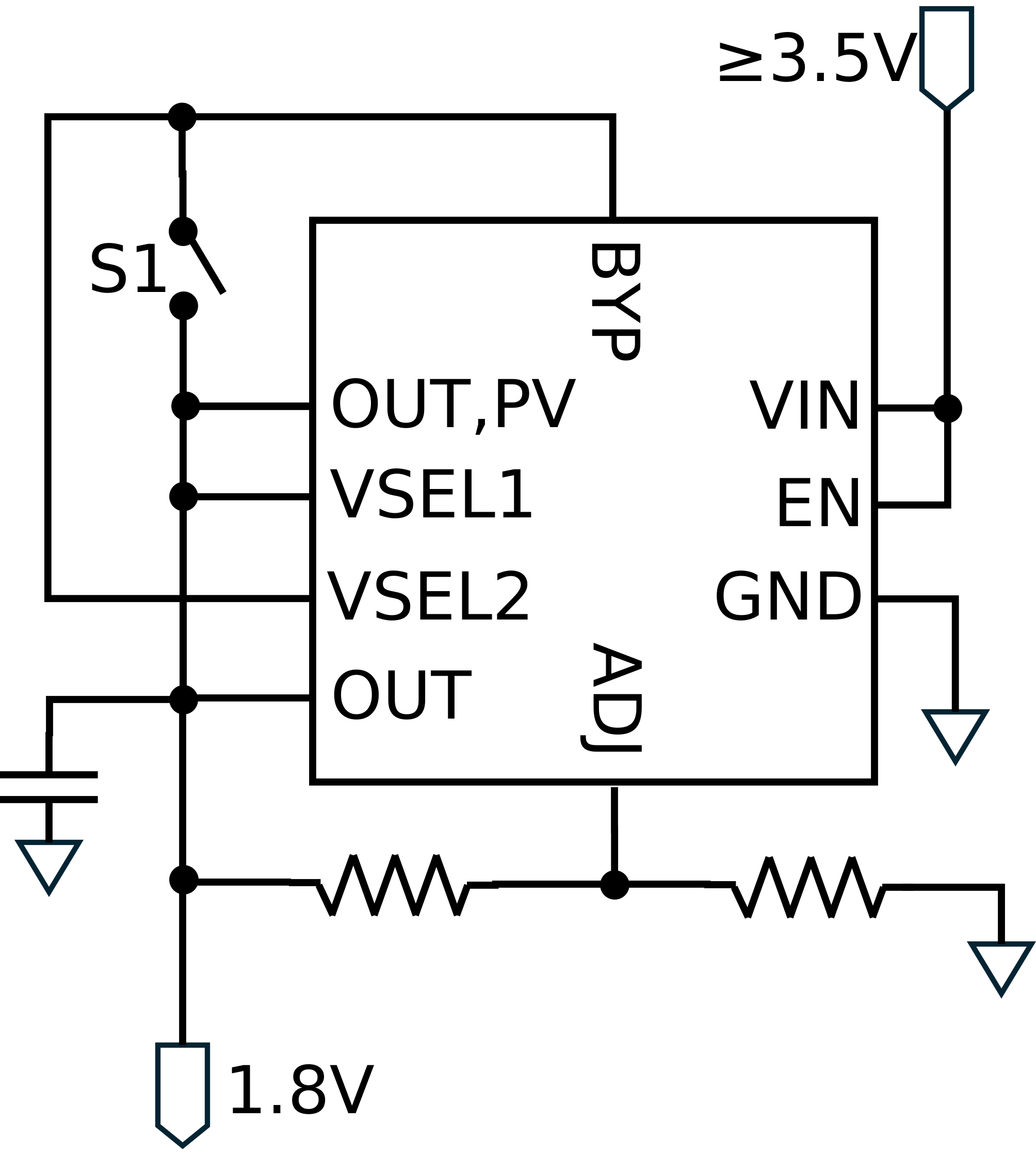
Figure 5 shows that BK291D18V has several additional pins to those found on a typical linear regulator. The BYP pin connects to the collector of the pass transistor and can be used to bypass the LED array. VSEL1 and VSEL2 pins allow the LED string to be configured either as two LEDs in parallel or two in series. Figure 6(a) & (b) show the device configured in the two possible configurations: (a) with two parallel LEDs (“L” configuration) and (b) with two series LEDs (“M” configuration). Both schematics also contain an optional switch, . Closing this switch connects the BYP pin directly to OUT, bypassing the LED elements and resulting in the device operating as a conventional LDO. This allows the device to produce a regulated output over the full operating input range of the LDO chip. For detailed application examples that use bypass functionality, we refer the reader to the datasheets of the specific parts.
The BK29 identifier in the part name describes the LDO technology within the package. BK29 parts contain a general purpose bipolar LDO with high output current (1 A), low ground current, good PSRR (>65 dB at 1 kHz), low output noise (~330 µVRMS), and a range of protection features. This is ideal for noise sensitive and space constrained applications, such as industrial IoT, battery-powered electronics, medical devices, defense microsystems and so forth. The LDO also has good tolerance to radiation, ideal for LEO environments, but is not available as a radiation hardness assured part. For applications that require state-of-the-art noise performance or space qualified LDOs, consult the “Very Low Noise Devices” and “Radiation Hard Devices” sections, respectively.
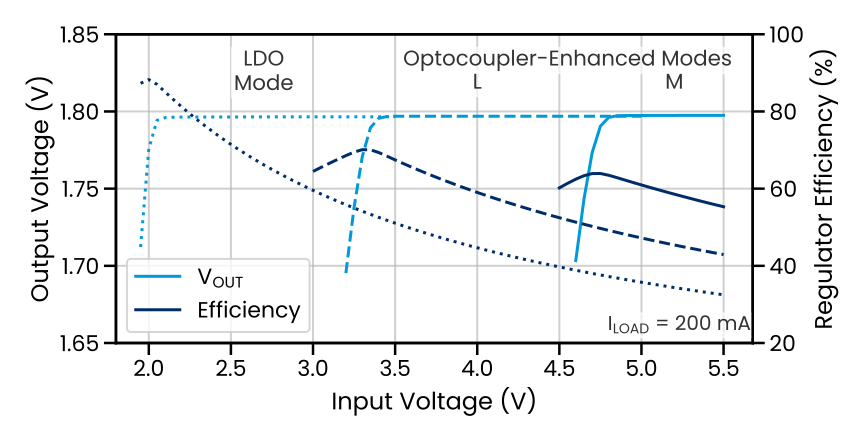
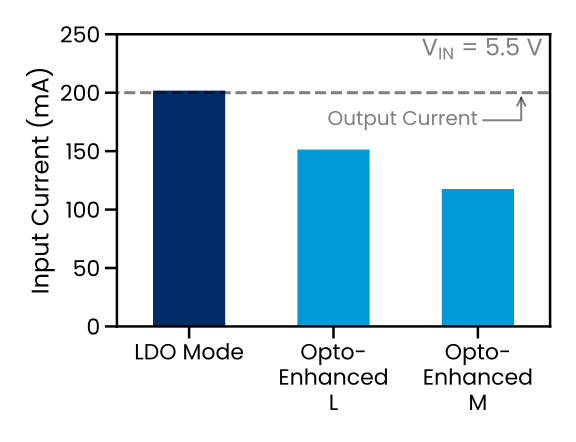
Measurements of the output voltage and efficiency of BK291D18V at an output current of 200 mA are shown for “L” configuration, “M” configuration, and in bypass mode in Figure 7(a). The input current is significantly lower in the optocoupler enhanced modes (Figure 7(b)), leading to a dramatic improvement in efficiency compared to a conventional LDO.
The available configurations for BK29 voltage regulators are summarized in Table 1. BK291D18V is available in compact 6 mm × 6 mm QFN28 packages. BK291D33L, BK291D33V and BK291D50E are available in 7 mm × 7 mm QFN32 packages. The typical peak efficiency values quoted are evaluated for output voltages of 1.8 V, 3.3 V and 5.0 V for the “18”, “33” and “50” part numbers, respectively.
| Device | Max IOUT (mA) | Min VIN @ IOUT=0.1 A (V) | Max VOUT (V) | Typ. Peak Eff (%) @ IOUT=0.1 A, VOUT=1.8/3.3/5 V |
|---|---|---|---|---|
| BK291D18V | 1000 | VOUT+1.4 (L) VOUT+2.8 (M) | 2 | 73.9 @ VIN=3.3 V 65.4 @ VIN=4.6 V |
| BK291D33L | 1000 | VOUT+1.4 (L) | 4 | 79.8 @ VIN=4.7 V |
| BK291D33V | 1000 | VOUT+2.8 (M) VOUT+5.5 (H) | 4 | 71.7 @ VIN=6.1 V 62.5 @ VIN=8.9 V |
| BK291D50E | 1000 | VOUT+7.0 (E) | 5 | 69.7 @ VIN=12 V |
Boost Conversion
Using photons to achieve a DC transformer effect is applicable not only to buck conversion, but also to boost conversion. A similar principle was demonstrated by Wilkins et al. [1] where laser photons were transmitted to an array of photovoltaics to allow . However, the efficiency was low (<13%) using that method as all the output power was routed through the optocoupler device, and the overall optocoupler device efficiency was low. Even using the extremely high efficiency optocouplers developed by Polaris Semiconductor, the maximum regulator efficiency is on the order 50% or less using this circuit topology. Polaris Semiconductor has patented an alternative topology shown in Figure 8. In this scheme, the photovoltaics are tied to the input and output terminals and serve to augment the input voltage, thus only a fraction of the output power is routed through the light emitting section of the optocoupler array. This arrangement can achieve much higher efficiency. Also, compared with conventional switching boost converters, this topology eliminates the switching-noise phenomenon at its source.
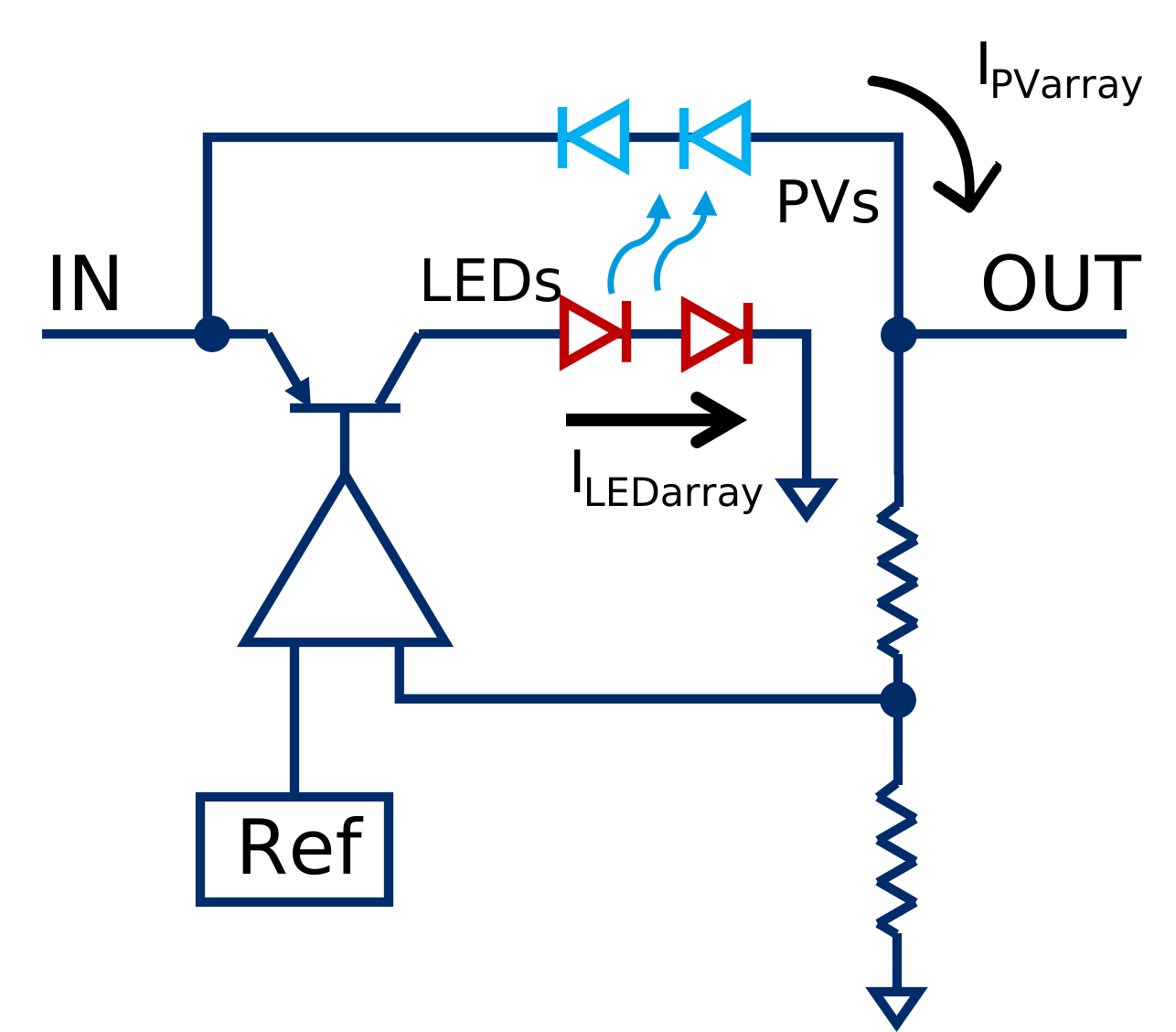
In the boost topology, the input voltage at which a regulated output is achieved () is the sum of the forward voltage drop across the LED array and the dropout voltage of the LDO:
The output voltage is greater than the input voltage by an amount equal to the voltage generated in the PV array. Therefore
The load current is equal to the current flowing through the PV array, and this is related to the input current as
Using Equation 3, this can be rearranged as
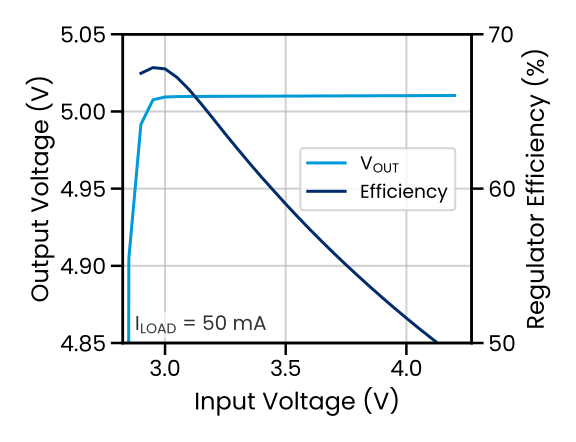
Therefore, greater values of act to reduce the input current requirement, improving efficiency overall. As with the buck conversion topology, the extremely high performance and low dark current of Polaris Semiconductor’s optocouplers enables high efficiencies. Figure 9 shows the output voltage and efficiency of BT291D50M with a load current of 50 mA. A peak efficiency close to 70% is achieved close to the turn on voltage of 3 V and an output voltage set at 5 V. The device operates up to a maximum output current of 500 mA. Presently, BT291D50M is the sole boost conversion product in production, with more devices planned in the future.
Very Low Noise Devices
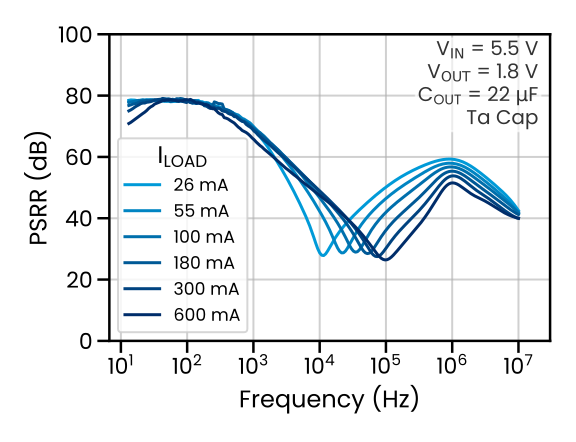
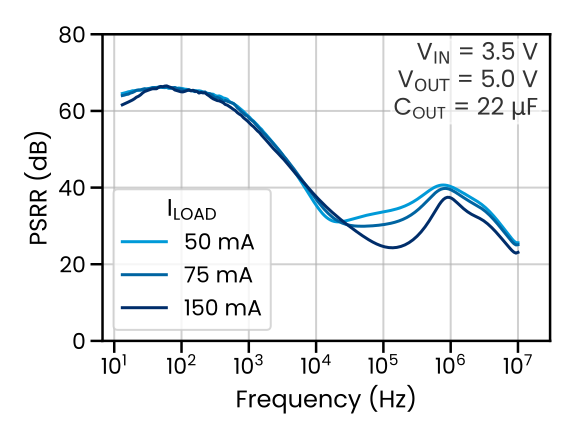
The noise, transient behavior and ripple rejection performance of the ELR device is virtually identical to the properties of the LDO chip used within the package. Our series of BK29/BT29 devices use a versatile, high current LDO chip suitable for a wide variety of general-purpose applications. Typical PSRR performance for buck device BK291D18V and boost device BT291D50M are shown in Figure 10, and typical integrated RMS output noise levels of these devices are on the order of 330 µV. These metrics, combined with the lack of conducted and radiated EMI associated with switching solutions, as well as the device not requiring a bulky inductor and only a small number of passive components, make these devices compelling for many noise and footprint constrained applications.
However, some applications, such as RF electronics, scientific instrumentation, medical imaging, and precision sensing, demand extremely low noise DC power, beyond what a general-purpose linear voltage regulator can deliver. For these applications, we have developed the BK30 series of voltage regulators.
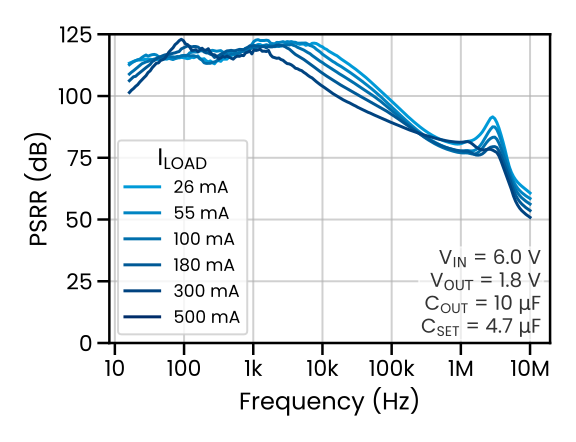
BK30 devices use LT3045 [2] – a state-of-the-art, wide-bandwidth, extremely low-noise LDO manufactured by Analog Devices – co-packaged with our high efficiency optocoupler devices. Peak PSRR values for these devices exceed 120 dB and integrated output noise is below 1 µVRMS, shown in Figure 11 and Figure 12. This makes the chips capable of supporting even the most demanding of noise-sensitive applications, whilst offering large efficiency enhancements over conventional LDOs.
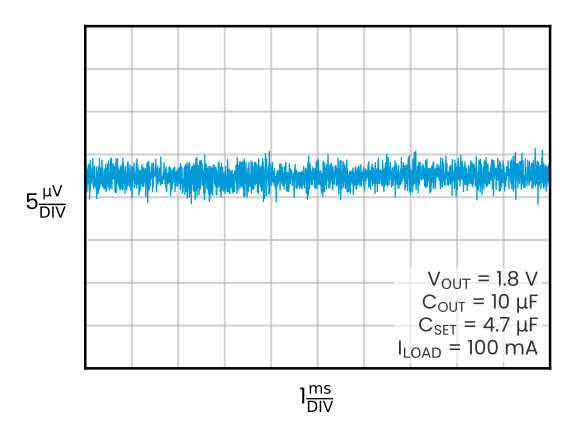
BK30 series devices are available in each of the same 18, 33 and 50 series buck families as the BK29 series, and a boost variant is planned for the near future. The devices also support output voltages that span a range down to practically zero volts.
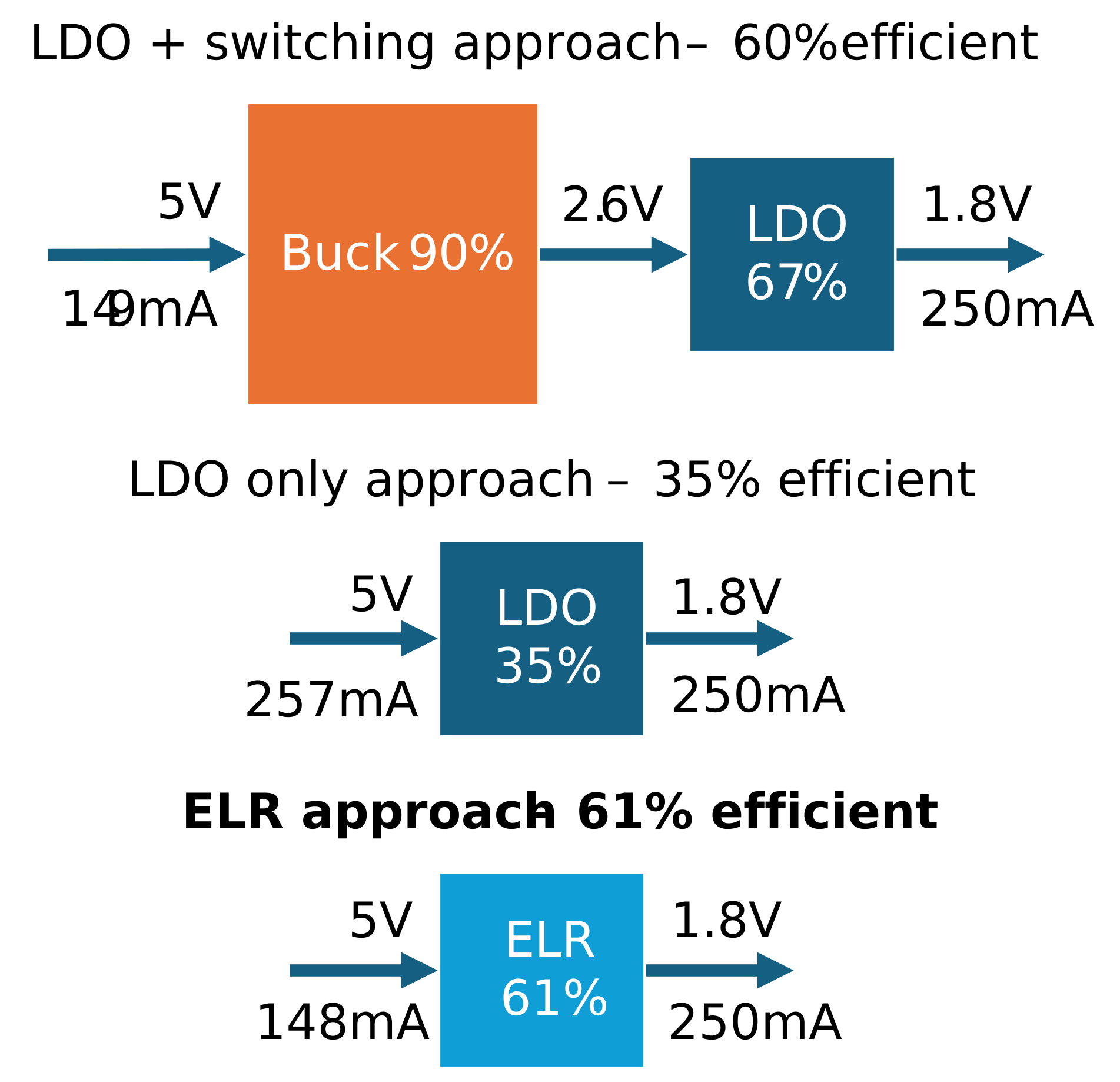
An example application where the BK30 series excels is as a replacement for switching regulators with LDO post regulators. Combining switching and linear regulators in series is a common technique for achieving low noise with respectable efficiency in situations where and differ greatly – for example, generating a low-noise 1.8 V rail from a 5 V supply. The output voltage of the switching regulator is high enough to ensure sufficient headroom for the LDO to operate while keeping parasitic losses to a minimum. However, by using this technique, designers are sacrificing footprint, component count and cost for low noise. In addition, radiated EMI effects from the switcher can still degrade performance and affect nearby components. The footprint and component count tradeoffs are reduced by using an LDO without the switcher, but the efficiency drops dramatically. By using a single BK30 device, designers can achieve comparable efficiency to the switcher with LDO post regulator, but with footprint and component count resembling the LDO-only solution. Moreover, switching is eliminated from the system, ensuring extremely low conducted and radiated EMI performance, simplifying board design and reducing the likelihood of costly redesigns. This is shown in Figure 13 using typical efficiency assumptions for switching and linear regulator devices.
The available configurations for BK30 voltage regulators are summarized in Table 2. BK301D18V is available in compact 6 mm × 6 mm QFN28 packages. BK301D33L, BK301D33V and BK300D50E are available in 7 mm × 7 mm QFN32 packages. The typical peak efficiency values quoted are evaluated for output voltages of 1.8 V, 3.3 V and 5.0 V for the “18”, “33” and “50” part numbers, respectively.
| Device | Max IOUT (mA) | Min VIN @ IOUT=0.1 A (V) | Max VOUT (V) | Typ. Peak Eff.(%) @ IOUT=0.1 A, VOUT=1.8/3.3/5 V |
|---|---|---|---|---|
| BK301D18V | 500 | VOUT+1.4 (L) VOUT+2.8 (M) | 2 | 70.5 @ VIN=3.2 V 62.1 @ VIN=4.6 V |
| BK301D33L | 500 | VOUT+1.4 (L) | 4 | 76.4 @ VIN=4.8 V |
| BK301D33V | 500 | VOUT+2.8 (M) VOUT+5.5 (H) | 4 | 68.7 @ VIN=6.2 V 60.0 @ VIN=8.9 V |
| BK300D50E | 500 | VOUT+7.0 (E) | 5 | 69.3 @ VIN=12 V |
Radiation Hard Devices
DC voltage regulators are a critical part of satellite electrical power systems. Generally, satellites harness power from solar panels at high voltages, which is then stored and converted to lower voltages for use by system components. Among these are many sensitive devices that require low-noise inputs. Furthermore, severe size and mass constraints in satellites create a need for very small footprint and low component count DC power management solutions. Space is also a harsh environment for voltage regulators; cumulative long-term damage due to ionizing radiation can cause threshold shifts, increased device leakage, efficiency degradation, and decreased functionality. Also, highly energetic particles can cause various troublesome non-destructive events such as voltage transients, as well as potentially destructive events such as latch-up and burnout.
Parts used in the most demanding space applications, such as long-term military, communications and scientific satellites; space probes; space station and launch vehicles, rely on components that meet MIL-PRF-38535 Class V standards. This is a U.S. military specification that outlines the performance, quality, and reliability requirements for integrated circuits that must also meet stringent requirements for radiation hardness. This ensures they can operate effectively in the harsh conditions of space.
Texas Instruments offers a line of radiation hardened, low-dropout voltage regulators that have truly low-dropout voltages along with strong performance over radiation, temperature and ageing. TPS7H1101A-SP [3] offers a dropout voltage of 210 mV at 3 A – presently the lowest on the market – and can regulate output voltages down to 0.8 V, as well as the current needed for one or more space-grade analog-to-digital converters or clocks. Lower frequency noise is often the largest and most difficult to filter out, and TPS7H1101A-SP also offers one of the lowest 1/f noise levels available, with a peak around 1 µV/√Hz at 10 Hz. TPS7H1101A-SP is radiation hardness assurance (RHA) qualified up to total ionizing dose (TID) 100 krad(Si), ELDRS-free to 100 krad(Si), single event latch-up (SEL) immune to an LET of 85 MeV.cm2/mg, SEB and SEGR immune to an LET of 85 MeV-cm2/mg, and has an SET/SEFI onset threshold >40 MeV.cm2/mg.
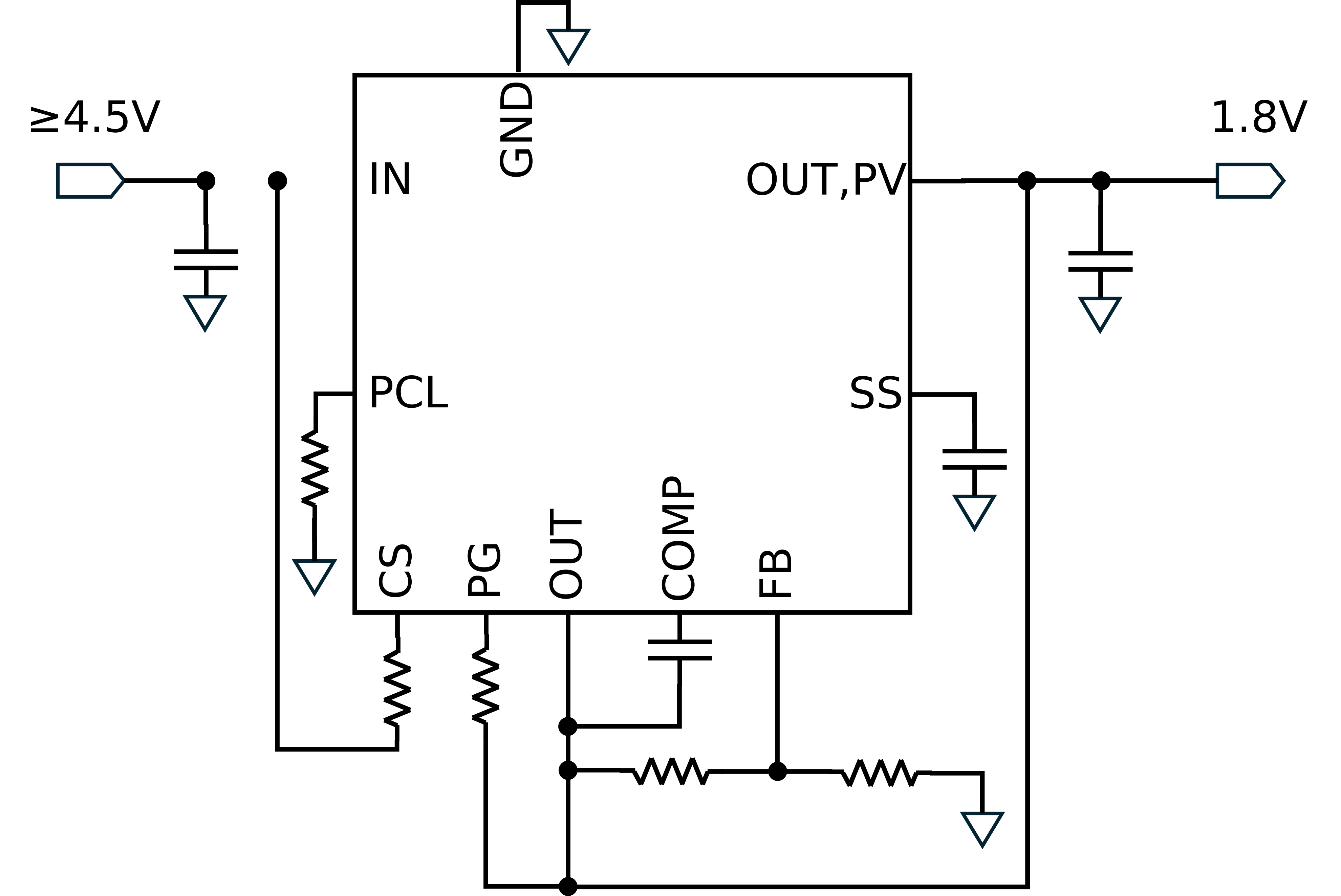
In a collaboration between Polaris Semiconductor and TI, a co-packaged ELR designed for an output voltage of 1.8 V has been built and tested using a cobalt-60 gamma ray source, which is a common method for simulating TID effects. The prototypes contain a TPS7H1101A-SP LDO co-packaged with two optocouplers in a 9 mm × 9 mm QFN 64 package. The prototypes also leverage all the advanced features of the TPS7H1101A-SP chip, including soft-start, current sense, power good and programmable current limit functions. The prototype uses a two LED in series configuration, resulting in a of roughly 4.5 V at a load current of 50 mA. A schematic of the co-packaged chip is shown in Figure 14.
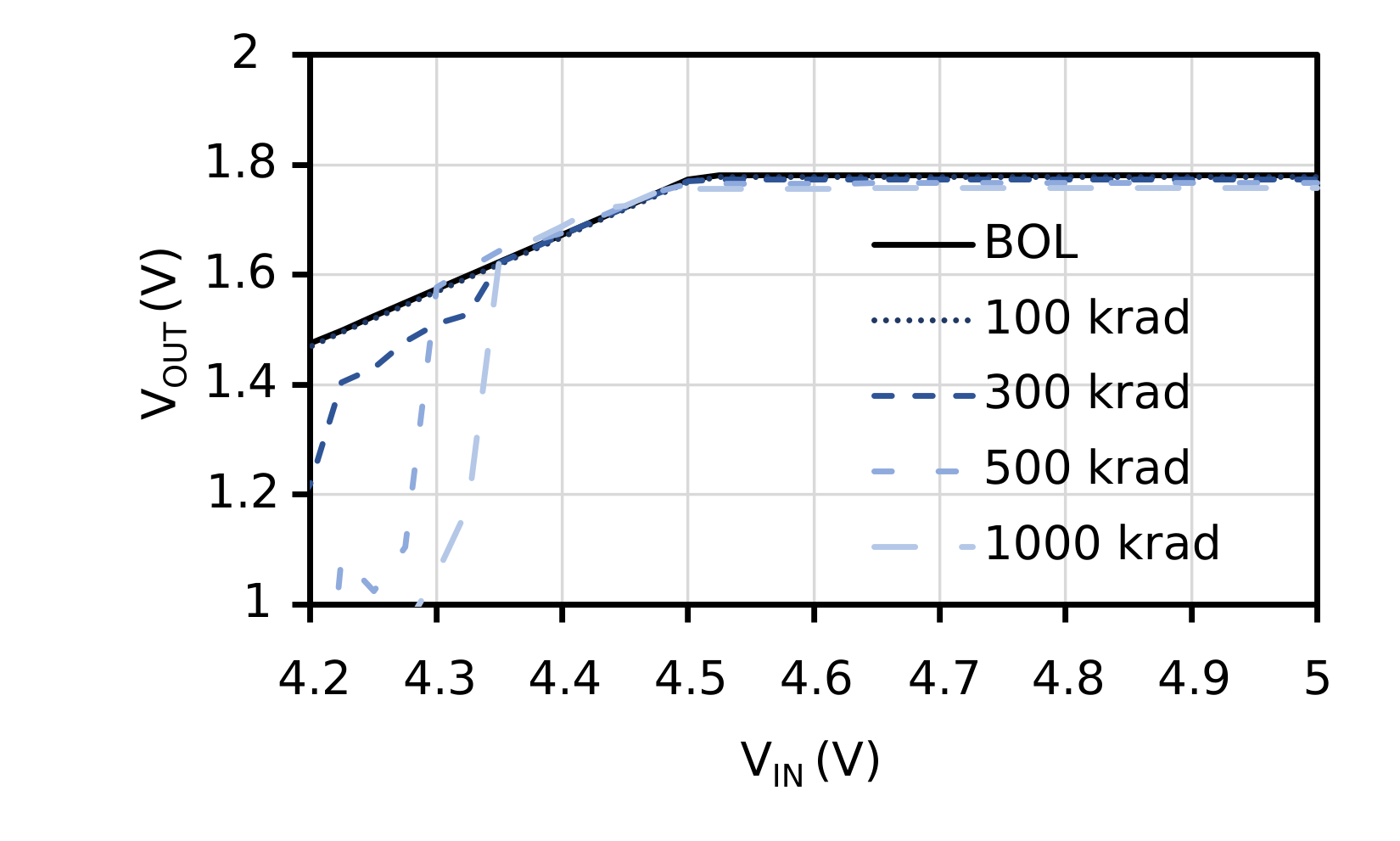
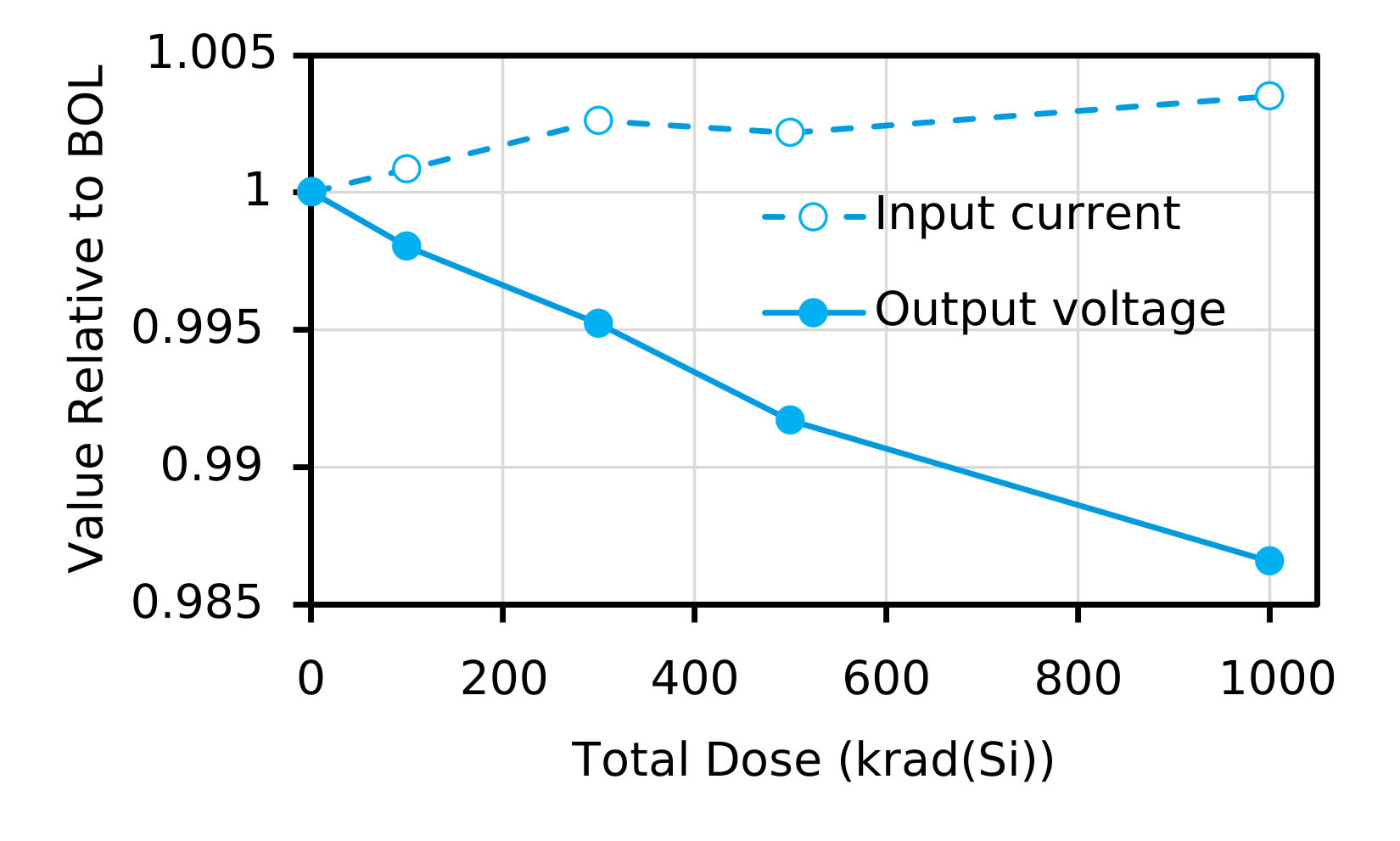
The device was tested up to a dose of 1 Mrad(Si) at a rate of 50 rads/s. The IV characteristics of the ELR were taken at multiple intervals during the test with a fixed load of 50 mA and are shown in Figure 15(a) and (b). As expected, virtually no changes to the output voltage and input current properties were observed at 100 krad(Si). However, even for doses far exceeding the TID assurance range of 100 krad(Si), the change in regulated output voltage and input current are minor. Figure 15(a) shows a clear onset of threshold changes to the TPS7H1101A-SP LDO in the dropout region. These effects are not severe enough to impact the operation of the ELR above , and the testing shows that irradiating the ELR to well beyond its rated dose impacts performance, but the device is still functional.
The inclusion of optocouplers in Polaris Semiconductor’s ELR devices means that the radiation sensitivity of these devices must also be accounted for. The optocouplers have very low sensitivity to total ionizing dose effects and single event phenomena. Therefore, choosing a radiation hard LDO ensures the ELR device will also have high resilience to TID and SEE effects. However, the optocoupler efficiency is sensitive to the lifetime of minority carriers in the PV device and lifetime of injected carriers in the LED active region.
Therefore, lifetime degradation due to displacement damage results in a long-term efficiency reducing mechanism in space. Polaris Semiconductor’s team has developed a GaAs-based optocoupler design that has very high radiation resistance. This was tested using 1 MeV electron irradiation and 2 MeV proton irradiation, and the NRL displacement damage dose method [4, 5] used to relate the proton and electron fluences to equivalent displacement damage doses. The efficiency remaining factor for our device is shown in Figure 16 versus displacement damage dose for both electron and proton irradiation.
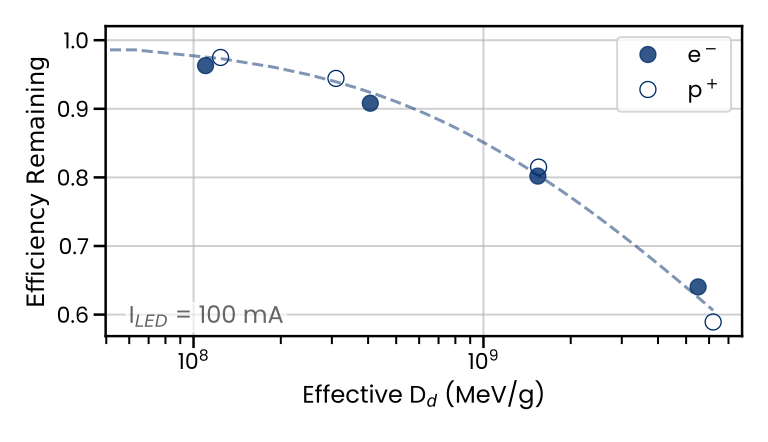
For context, assuming a typical 15-year GEO mission and assuming 0.5 mm of alumina shielding from the package, the calculated DDD for the mission is 1.19×10⁹ MeV/g. Therefore, an efficiency remaining factor of approximately 84% would be expected. Since only a fraction of the output power is transmitted through the optocoupler array, the impact on the overall voltage regulator efficiency is even smaller. Of course, this calculation represents the worst case – in most applications, the ELR package would not be directly exposed to the space environment but within other enclosures, so the actual level of shielding would be significantly greater than the package alone. For engineers trying to calculate the radiation environment of their mission and the impact on ELR radiation degradation, the team at Polaris Semiconductor can provide guidance and support.
Conclusion
Achieving efficient, compact and extremely low-noise DC power management solutions has been a long-standing pain-point for electronic system designers, especially in the most demanding, noise-sensitive applications. For these systems, linear regulators are excellent performers, capable of providing extremely low-noise outputs. However, their inefficiencies and lack of boost capability inevitably leads to design tradeoffs in other areas such as efficiency, footprint, BoM and noise. Polaris Semiconductor has developed a unique solution to this problem, developing a technology that retains the low-noise, simplicity and low component count advantages of a linear regulator, but can achieve much greater efficiency and boost capability. This provides systems designers with a useful, versatile replacement to conventional methods to achieve low-noise, regulated DC voltages with small footprints, including in space environments.
Acknowledgements
Polaris Semiconductor would like to thank Javier Valle, Head of Space Products at Texas Instruments, and his team for providing space qualified LDOs, and for helpful technical discussions and insights during our collaboration. We would also like to thank Professor Richard King and Professor Trevor Thornton of Arizona State University (ASU), as well as various ASU researchers including Nicholas Irvin, Christopher Gregory, Yulia Lisova, Sean Babcock, Abhinav Chichalkar and Eric Chen for efforts characterizing early versions of Polaris Semiconductor’s devices. We are also extremely grateful to our sponsors at the National Science Foundation, Virginia Innovation Partnership Corporation, AFWERX, Space Development Agency and US Federal Government.
References
- M. M. Wilkins et al., IEEE Transactions on Power Electronics, 34(2), 1054 (2019).
- Analog Devices, “LT3045.” Available: https://www.analog.com/en/products/lt3045.html
- Texas Instruments, “TPS7H1101A-SP.” Available: https://www.ti.com/product/TPS7H1101A-SP
- S. R. Messenger et al., Prog. Photovolt: Res. Appl. 9, 103 (2001).
- S. R. Messenger et al., 35th IEEE Photovoltaic Specialists Conference, Honolulu, HI, USA, 1106 (2010).
Ready to design it in?
Request evaluation samples, detailed datasheets, and SPICE models — an engineer answers, not a sales funnel.